
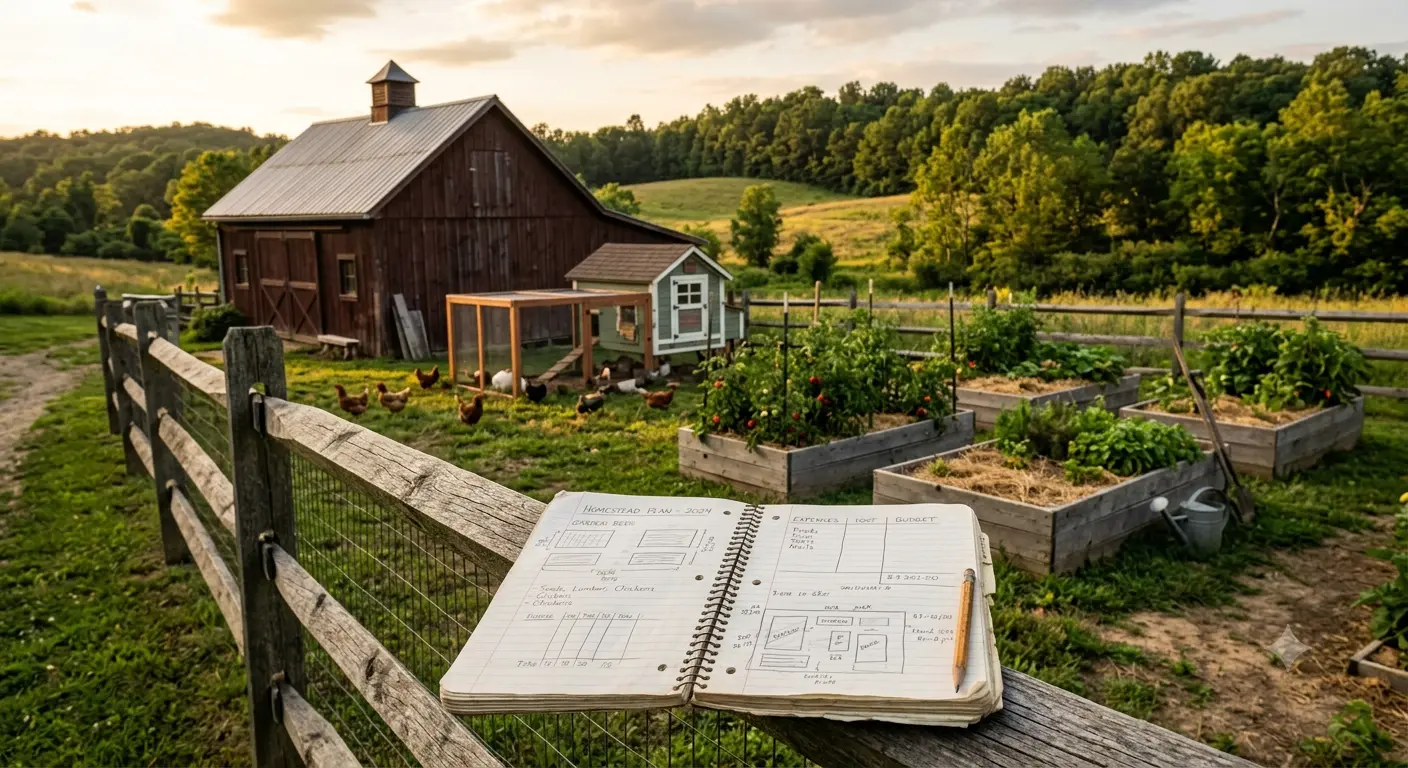
How Much Does It Cost to Start a Small Homestead? A Real Budget Breakdown
Why the Real Cost of Homesteading Matters
Homesteading has surged in popularity across the United States over the past several years. Rising grocery prices, supply chain worries, and a general desire for more control over where food comes from have pushed a lot of families toward growing and raising their own. According to the USDA’s Census of Agriculture, the number of small farms under 50 acres has held remarkably steady even as larger operations consolidate, which tells you something: people keep choosing to do this at a small scale, generation after generation.
But here’s the problem. Most of what you see online about homesteading either wildly underestimates costs to make it look accessible, or wildly exaggerates them to sell you a “homestead in a box” course. Neither helps you plan a real budget. Knowing the actual numbers before you start is what keeps a hopeful first year from turning into a financial gut punch by August.
Takeaway: Go in with real numbers, not Instagram numbers, and you’ll make far better decisions about what to build first.
Land and Property Costs
Land is usually the single biggest variable in your homestead budget, and it varies enormously by region. An acre in rural Missouri or Oklahoma might run a few thousand dollars, while an acre within commuting distance of a major metro area on either coast can run well into six figures.
What Affects Land Price
- Proximity to a city or town
- Water rights and well access
- Soil quality and topography
- Existing structures (barns, fencing, a house)
- Local zoning and agricultural exemptions, which can lower property taxes significantly in many states
If you already own a suburban lot or a small acreage, you can skip this cost entirely and put your budget toward infrastructure instead. Many successful market gardeners and backyard flock owners start on a quarter-acre lot without ever buying additional land.
Takeaway: Check with your county assessor about agricultural tax exemptions before you buy. It can meaningfully change your long-term carrying costs.
Infrastructure: Fencing, Coops, and Outbuildings
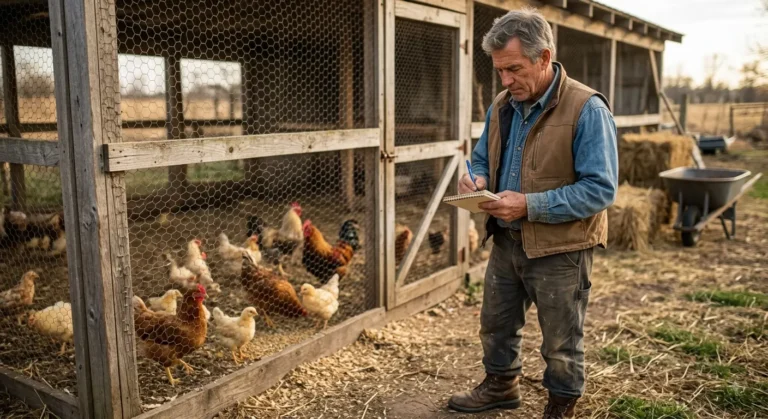
This is where a lot of new homesteaders get surprised. A basic 4-by-8-foot chicken coop kit from a farm supply store typically runs $300 to $800, while a larger walk-in coop built from scratch with quality hardware cloth and a solid roof can run $1,000 to $3,000 depending on materials and whether you hire help.
Typical Infrastructure Costs
- Chicken coop and run: $300–$3,000
- Perimeter fencing (woven wire, per acre): $1,500–$4,000
- Electric fencing for goats or larger livestock: $200–$600 for a basic solar setup
- Small barn or run-in shed: $2,000–$10,000+
- Raised garden beds (materials for 4–6 beds): $200–$600
The Natural Resources Conservation Service (NRCS), part of USDA, offers cost-share programs in many states for fencing and conservation infrastructure. It’s worth a call to your local NRCS office before you build anything, since some programs reimburse a portion of fencing or water system costs for qualifying operations.
Takeaway: Call your local NRCS office before building fencing. Cost-share programs can offset a real chunk of your infrastructure budget.
Livestock Startup Costs
Livestock costs vary a lot depending on species, but chickens remain the most beginner-friendly and lowest-cost entry point.
Starting Costs by Animal Type
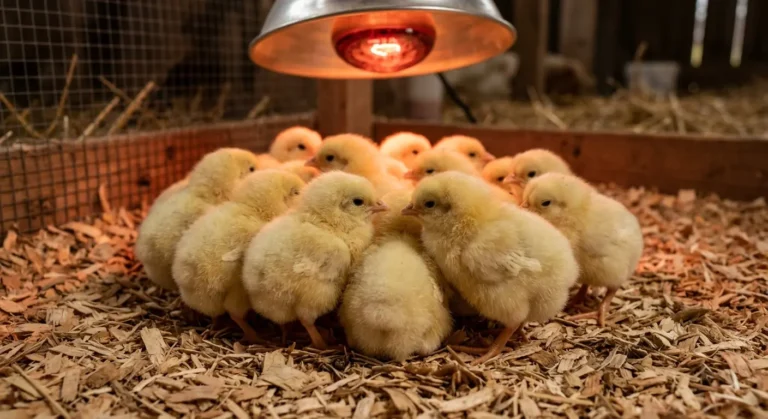
- Chickens (6 pullets, feeder, waterer, starter feed): $150–$300
- Dairy goats (a starter pair, decent quality): $400–$1,200
- Meat rabbits (a trio to start a breeding program): $150–$400
- A dairy cow or beef calf: $1,000–$3,000+
- Beehive setup (hive, suit, tools, package bees): $400–$700
Don’t forget ongoing feed costs, which are often higher than the animal purchase price itself over the first year. Budget for veterinary care too, even if you plan to handle most things yourself — at minimum, know where your nearest large-animal vet is and what an emergency visit costs in your area.
Takeaway: Price out a full year of feed before buying any animal, not just the purchase price. Feed is almost always the bigger number.
Garden and Growing Costs
A market garden or home vegetable patch is one of the cheapest ways to start homesteading, especially if you build soil health instead of relying heavily on inputs.
Typical First-Year Garden Costs
- Seeds and starts for a 4–6 bed garden: $50–$150
- Compost and soil amendments: $50–$200
- Basic hand tools (trowel, hoe, rake, gloves): $75–$150
- Soil test through your local Cooperative Extension office: $10–$25
Your local Cooperative Extension Service, present in nearly every U.S. county, offers low-cost soil testing and region-specific planting guidance based on your USDA hardiness zone. This is one of the best-value resources available to new growers and is chronically underused.
Takeaway: A $20 soil test through your extension office is one of the highest-value purchases you’ll make all year.
Tools and Equipment
You don’t need a full tractor to start homesteading, but a few key tools make the work dramatically easier.
Reasonable First-Year Tool List
- Wheelbarrow: $80–$200
- Shovel, digging fork, hoe: $100–$150 combined
- Basic hand tiller or broadfork: $150–$400
- Work gloves and boots: $80–$150
- A reliable garden hose and sprayer attachments: $40–$100
Larger equipment like a tractor, brush hog, or ATV can wait. Many new homesteaders overbuy equipment in year one that ends up sitting unused because the scale of the operation didn’t call for it yet.
Takeaway: Rent or borrow large equipment for the first year or two before buying. Most homesteads don’t need a tractor on day one.
Water Systems
Water is easy to underestimate and expensive to fix after the fact. If you’re on well water, budget for pump maintenance and, in colder climates, freeze protection for outdoor lines.
Common Water Costs
- Heavy-duty hoses and Y-splitters: $50–$150
- Heated livestock waterers (for freezing climates): $50–$150 each
- Rainwater catchment barrels: $100–$300 per barrel
- Well pump repair fund (set aside): $500–$1,500
Takeaway: Set aside a well-pump emergency fund before you need it. It’s one of the most common surprise expenses homesteaders report.
Ongoing Monthly Costs
Beyond the startup investment, ongoing monthly costs are what most new homesteaders forget to plan for.
| Expense Category | Typical Monthly Range |
|---|---|
| Chicken feed (small flock) | $20–$50 |
| Goat or livestock feed and hay | $50–$150 per animal |
| Garden inputs (ongoing season) | $20–$60 |
| Utilities increase (well pump, heat lamps) | $20–$80 |
| Vet and health supplies | $20–$100 (variable) |
Takeaway: Build a monthly homestead line item into your household budget, not just a one-time startup fund.
Cost Comparison Table by Homestead Size
| Homestead Type | Estimated First-Year Startup Cost | Typical Components |
|---|---|---|
| Backyard / Quarter-Acre | $500–$2,000 | Small chicken flock, raised bed garden, basic tools |
| Small Homestead (1–5 acres) | $3,000–$10,000 | Chickens, goats or rabbits, fenced garden, small outbuilding |
| Established Small Farm (5–20 acres) | $10,000–$30,000+ | Multiple livestock species, barn, larger fencing, market garden infrastructure |
Takeaway: Match your first-year budget to your actual acreage and goals, not to what a homesteading influencer built on ten times the land.
Step-by-Step: How to Budget Your First Year
- List your goals in priority order (eggs, vegetables, dairy, meat) and fund the top one or two fully before spreading thin.
- Get a soil test and a land assessment before spending on infrastructure.
- Price out a full year of ongoing costs, not just startup costs, for each project you’re considering.
- Call your local NRCS and Cooperative Extension offices to ask about cost-share programs and free resources.
- Set aside a 15–20% contingency fund for the surprises that always come up.
- Track actual spending for the first year in a simple spreadsheet or notebook to plan year two more accurately.
Takeaway: Budget in this order — assessment, priorities, ongoing costs, contingency — and you’ll avoid the most common first-year overspending traps.
Expert Cost-Saving Tips
- Buy used equipment and coops from local classifieds before buying new
- Join a local feed co-op or split bulk feed orders with neighboring homesteaders
- Build fencing and coops in the off-season when your own labor is more available and materials are sometimes on sale
- Start with hardy, regionally proven livestock breeds rather than trendy breeds that may need more specialized care
- Use free regional resources: Cooperative Extension bulletins, NRCS conservation planning, and county fair mentorship programs
Takeaway: The cheapest homesteads aren’t the ones that skip infrastructure — they’re the ones that source it smart.
Common Budgeting Mistakes
- Underestimating ongoing feed costs versus one-time purchase costs
- Buying land without checking zoning, water rights, or soil quality first
- Purchasing large equipment before the operation’s scale justifies it
- Skipping a contingency fund and getting caught off guard by a well pump failure or predator loss
- Trying to fund every project (livestock, garden, orchard) in the same year
Takeaway: Most budget blowouts come from sequencing, not from any single expense being unreasonable. Fund one thing well before starting the next.
Frequently Asked Questions
How much money do I need to start a small homestead?
For a backyard-scale operation, $500 to $2,000 covers a basic flock and garden setup. A small homestead on a few acres with livestock and fencing typically runs $3,000 to $10,000 in the first year.
What’s the most expensive part of starting a homestead?
Land, if you don’t already own it. After that, infrastructure like fencing and outbuildings tends to be the largest single cost category.
Can I start homesteading without owning land?
Yes. Many homesteaders start on rented property, a suburban lot, or family land with a small garden and a few chickens before expanding.
Are there grants or cost-share programs for new homesteaders?
Yes. NRCS and state agricultural departments offer cost-share programs for fencing, water systems, and conservation practices in many states. Eligibility varies, so contact your local office directly.
How much should I budget monthly after the initial setup?
Plan for $50 to $300 per month depending on the number of animals and garden scale, primarily driven by feed and utility costs.
Is homesteading actually cheaper than buying groceries?
Not usually in year one. The savings tend to show up in years two and three once infrastructure is built and efficiency improves.
Conclusion
Starting a small homestead is absolutely achievable on a modest budget, but only if you go in with real numbers instead of hopeful ones. Prioritize your goals, use the free regional resources available through USDA, NRCS, and your Cooperative Extension office, and build in a contingency fund for the surprises that always show up. The homesteaders who stick with it long-term are rarely the ones who spent the most in year one — they’re the ones who budgeted honestly and built steadily.

Share This Article
Found this useful? Share it with a friend who’s thinking about starting a homestead.Small American homestead with barn, chicken coop, and raised garden beds at golden hour, illustrating the cost of starting a homesteadBuilding a small homestead — barn, coop, and garden beds — is achievable on a modest budget if you plan the costs