How to Start a Small Cattle Farm: A Complete Startup Budget Guide
Starting a beef cattle operation is one of the biggest financial commitments a new farmer can make, and costs vary enormously depending on land ownership, herd size, breed, and region. This guide breaks down every major startup expense so you can build a realistic budget before you buy your first animal.
Learning how to start a small cattle farm begins with budgeting for land or grazing access, breeding stock, fencing, water systems, shelter, feed, veterinary care, and basic equipment. A small beginner herd of 5–10 cows can realistically require anywhere from a few thousand dollars (if land is already owned and leased grazing is used) to well over $50,000 once land purchase, infrastructure, and full-grown breeding stock are included.
Table of Contents
- How Much Does It Cost to Start a Small Cattle Farm?
- How to Start a Small Cattle Farm: Step-by-Step Cost Breakdown
- Land and Pasture Costs
- Buying Your First Cattle
- Fencing and Shelter Costs
- Water Systems and Feed Costs
- Equipment and Tools
- Veterinary Care, Vaccination, and Biosecurity
- Labor, Insurance, and Licensing
- Sample Startup Budget Table
- Regional Cost Differences
- Ways to Reduce Startup Costs
- Frequently Asked Questions
How Much Does It Cost to Start a Small Cattle Farm?
Total startup cost depends most heavily on whether you already own land. Excluding land purchase, a beginner with 5–10 head typically budgets for breeding stock, fencing, water access, minimal shelter, feed reserves, and basic handling equipment. Including land purchase, startup costs rise dramatically and vary by region.
Cattle prices have been historically strong in recent years. In the United States, the national cattle and calf inventory fell to 86.2 million head as of January 2026, the smallest herd size since 1951, according to USDA’s Cattle Inventory Report. Tight supply has kept breeding stock and feeder cattle prices elevated, which directly affects how much new farmers need to budget for their first animals.
How to Start a Small Cattle Farm: Step-by-Step Cost Breakdown
If you are working out how to start a small cattle farm on a realistic budget, it helps to plan expenses in the order you will actually spend money, rather than trying to estimate one lump “startup cost” figure.
- Secure land or grazing access — purchase, lease, or use existing family land.
- Assess and improve pasture — soil testing, reseeding, and rotational paddock planning.
- Install fencing and water access before any animals arrive.
- Build or repair basic shelter and a handling system (chute, pens).
- Buy breeding stock — commercial heifers, bred cows, or a cow-calf pair combination.
- Set up a herd health plan with a local veterinarian before animals arrive on the property.
- Budget an operating reserve for feed, minerals, and unexpected veterinary costs during the first year.
Each of these steps has its own cost range, covered in detail below.
Land and Pasture Costs
Land is usually the single largest cost in cattle farming, and prices vary enormously by country and region. Cattle need adequate grazing land per animal to remain productive without overgrazing pasture — a figure that depends on local rainfall, forage quality, and grazing management, so check with your regional agricultural extension office for stocking-rate guidance specific to your area.
- Buying land: The most expensive option, but it builds long-term equity.
- Leasing pasture: A common lower-cost entry point for beginners, often priced per acre or per head per season.
- Using existing family or community land: Common among small-scale farmers, especially in parts of Africa and other regions where communal grazing systems exist.
Before committing to any land option, have the soil and forage quality assessed — poor pasture increases feed costs for the entire life of the operation.
Buying Your First Cattle
Cattle can be purchased as weaned calves, feeder cattle, bred heifers, or cow-calf pairs. Each option has a different cost structure and risk level for beginners.
| Cattle Type | Typical Description | Relative Cost |
|---|---|---|
| Weaned calves / feeder cattle | Usually sold by weight (per hundredweight) | Lower entry cost, but no breeding value yet |
| Bred heifers | Young females confirmed pregnant | Moderate-to-high; priced per head |
| Cow-calf pairs | A mature cow with calf at side | Highest per-head cost, but immediate production |
In the current U.S. market, feeder cattle are priced by the hundredweight (cwt) rather than a flat per-head fee, and USDA AMS auction data has shown bred heifers and cow-calf pairs commanding some of the strongest prices in years due to the shrinking national herd. Beginners outside the U.S. should check current livestock market reports from their national agriculture ministry or livestock marketing board, since prices are not standardized globally.
For beginners, starting with a small number of bred heifers or an established cow-calf pair reduces the learning curve compared to managing open (non-pregnant) breeding stock from day one.
Fencing and Shelter Costs
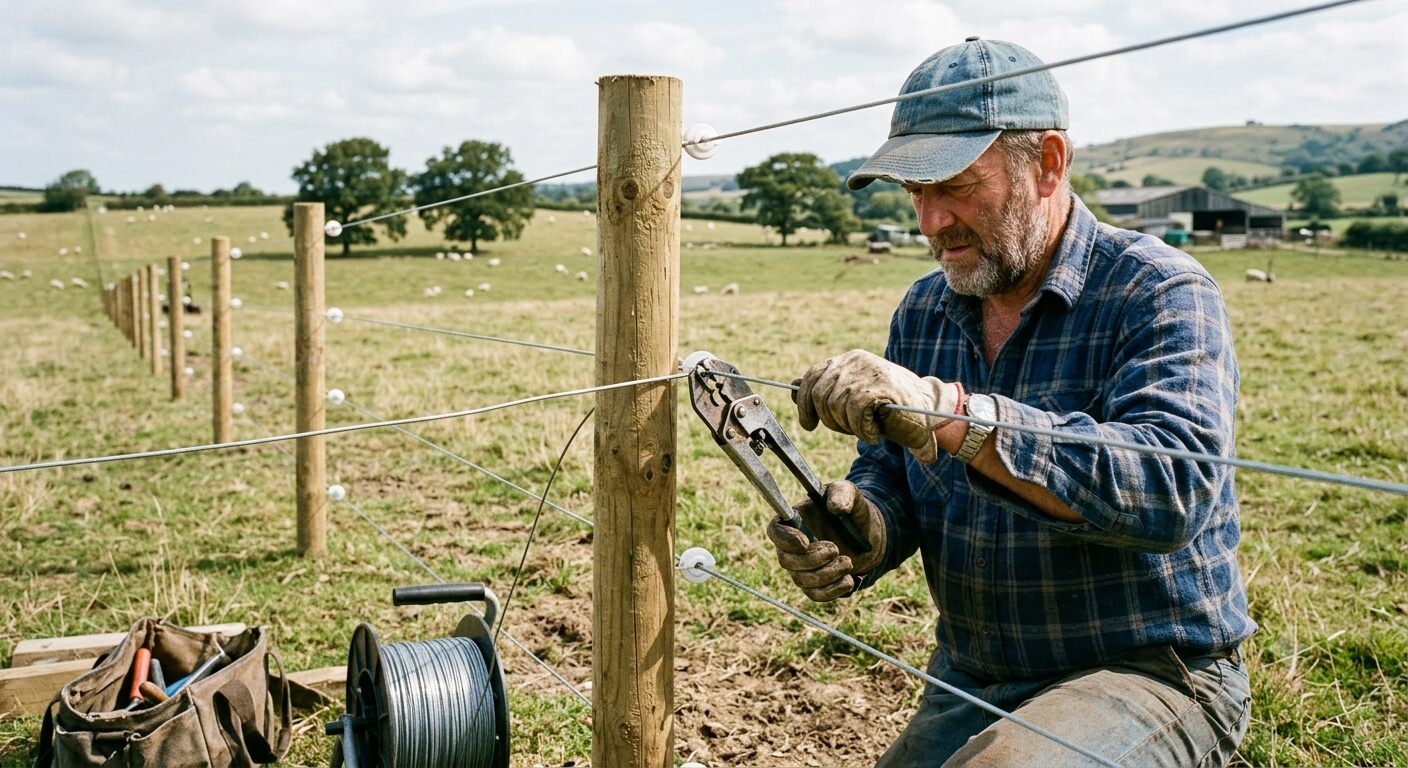
Cattle need secure, well-maintained fencing before they arrive on the property — this is non-negotiable for both safety and liability reasons. Options range from permanent woven wire and high-tensile electric fencing to more affordable temporary electric fencing for rotational grazing systems.
Shelter requirements are simpler than many beginners expect. Cattle generally need a clean, dry, well-drained area with shade and windbreak protection rather than an enclosed barn, except in regions with severe winters or extreme heat. A basic three-sided shelter or dense tree windbreak is often sufficient for beef cattle in temperate climates.
Water Systems and Feed Costs
A mature beef cow can drink a substantial amount of water daily, more during hot weather or lactation, so reliable year-round water access — a well, pond, or piped system — must be budgeted alongside fencing.
Feed is typically the largest recurring operating cost after the initial startup phase. Well-managed pasture can meet most of a beef herd’s nutritional needs during the growing season, but hay, mineral supplements, and sometimes grain become necessary during winter or drought. Hay prices fluctuate by region and season; in the U.S., USDA Ag Prices data has shown dairy-quality alfalfa hay averaging over $240 per ton and other hay averaging around $140 per ton in mid-2026, though prices vary widely by state and by year.
Equipment and Tools
Beginners do not need a full line of farm machinery to start. Essential equipment for a small herd typically includes:
- A basic handling system: head gate, chute, and holding pen
- Feed and mineral troughs
- A reliable trailer for transporting cattle
- Basic hand tools for fence repair
- Record-keeping system (digital or paper) for tracking breeding, health, and expenses
Larger equipment such as tractors, hay balers, or mixer wagons can often be rented, borrowed, or hired through a local custom operator in the early years, which significantly reduces upfront capital needs.
Veterinary Care, Vaccination, and Biosecurity
New herds need an initial veterinary consultation, a core vaccination program, parasite control, and a biosecurity plan to prevent disease introduction — this should be budgeted as an ongoing annual cost, not a one-time expense.
Work with a licensed veterinarian to design a vaccination and herd health protocol suited to diseases common in your region. Do not attempt to determine vaccine types, dosages, or treatment schedules without professional veterinary guidance, since disease risk and recommended protocols vary by location and herd history. Biosecurity basics — quarantining new animals, controlling visitor and vehicle access, and maintaining clean water sources — cost little but meaningfully reduce disease risk for a new operation.
Labor, Insurance, and Licensing
Small beginner operations are often run by the owner and family labor, but as the herd grows, budget for seasonal help during calving, vaccination days, and hay season. Farm liability insurance is strongly recommended given the physical risks cattle pose to workers, visitors, and neighboring property. Licensing, brand registration, and movement permit requirements vary significantly by country and even by state or province, so confirm requirements with your local agriculture department before purchasing animals.
Sample Startup Budget Table
The table below illustrates budget categories, not fixed prices, since costs vary too widely by region to state a single global figure responsibly. Use it as a planning checklist and fill in current local prices from your own supplier and market quotes.
| Budget Category | Notes |
|---|---|
| Land (purchase or lease/season) | Get local per-acre pricing from a land agent or extension office |
| Breeding stock (5–10 head) | Quote current per-head prices from a local livestock auction or breeder |
| Fencing materials and installation | Price per linear foot/meter varies by material |
| Water system | Well, pond, or piped access |
| Shelter/windbreak | Often lower cost than a full barn |
| Handling system (chute, pens) | Can be bought used to reduce cost |
| First-year feed and mineral reserve | Higher in drought years or poor pasture |
| Veterinary setup and vaccinations | Get a quote from a local large-animal vet |
| Insurance and licensing | Confirm requirements locally |
| Contingency fund (10–15%) | For price swings and emergencies |
Regional Cost Differences
Startup costs differ significantly between commercial farming regions like the United States, Europe, and Australia versus smallholder systems common in much of Africa, South Asia, and Latin America, where land is often communal or family-held and herd sizes tend to be smaller.
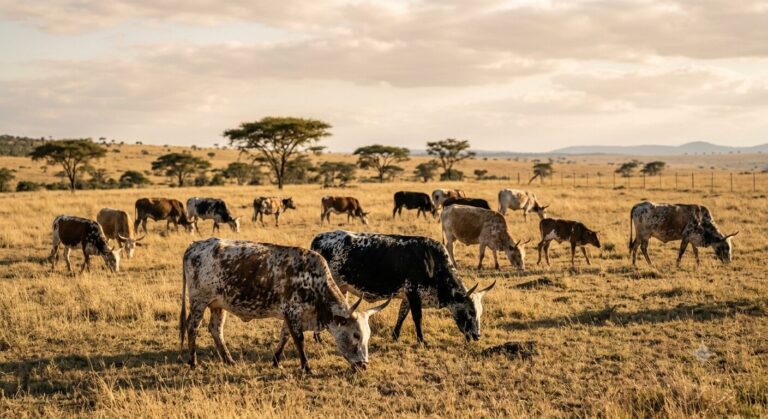
In much of sub-Saharan Africa, cattle are frequently raised under extensive or communal grazing systems rather than fully fenced commercial operations, and the region is home to a large share of the world’s cattle population relative to its share of global beef output, reflecting different production goals such as milk, draft power, and cultural or economic asset value alongside meat. Beginners in these regions should consult their national livestock or agricultural extension service for realistic local input costs, breed recommendations, and disease risks, since commercial-model budgets from North America or Europe do not transfer directly.
Globally, the live cattle population reached roughly 1.58 billion head in 2024, according to FAO data, underscoring how many different farming systems and cost structures exist across regions — there is no single “correct” global startup budget.
Ways to Reduce Startup Costs
Before you finalize your plan for how to start a small cattle farm, consider these common cost-reduction strategies used by beginning farmers:
- Lease before you buy land to test the operation before committing capital.
- Start with fewer, higher-quality animals rather than a large herd of lower-quality stock.
- Buy used equipment for handling systems and basic tools.
- Use rotational grazing to reduce dependence on purchased hay and grain.
- Share or hire equipment instead of buying machinery you will use only a few days a year.
- Build relationships with a local veterinarian and extension agent early to avoid costly health mistakes.
Frequently Asked Questions
How many cattle do I need to start a small farm?
Many beginners start with 5–10 head, which is manageable for a single family operation while still allowing enough scale to learn herd management, breeding, and marketing basics.
Do I need to own land to raise cattle?
No. Many beginning farmers lease pasture or grazing rights rather than purchasing land outright, which significantly lowers the initial capital required.
What is the biggest hidden cost for new cattle farmers?
Underestimating fencing, water infrastructure, and first-year feed reserves is one of the most common early mistakes, since these costs must be in place before cattle arrive, not after.
Can I start cattle farming part-time?
Yes, many small-scale cattle operations are run part-time alongside other income, particularly with a cow-calf model that requires intensive labor mainly during calving and breeding seasons.
Is beef cattle farming profitable for beginners?
Profitability depends on local market prices, feed costs, herd health, and management efficiency, and can take several years to establish as breeding stock builds. New farmers should budget conservatively and avoid assuming early profitability.
Should I buy calves or bred cows as my first animals?
Bred heifers or an established cow-calf pair often suit beginners better than open calves, since they reduce the immediate breeding-management learning curve, though they typically cost more per head upfront.
How much land does one cow need?
Stocking rates vary widely based on rainfall, forage quality, and grazing management, so beginners should get a site-specific recommendation from a local agricultural extension office rather than relying on a single global figure.
Conclusion
Knowing how to start a small cattle farm on a realistic budget comes down to sequencing your spending correctly: secure land and water first, install fencing and basic shelter, then invest in quality breeding stock, and keep a contingency reserve for the unpredictable first year. Costs vary enormously by region, so treat every figure in this guide as a planning framework rather than a fixed price, and get current local quotes from land agents, livestock markets, and your agricultural extension office before finalizing your budget.
If you’re ready to move from planning to execution, the next step is putting your numbers into a structured business plan that lenders, partners, or your own decision-making can rely on.