
Common Rabbit Diseases: Signs, Causes and Prevention for Beginner Farmers
Which are the common rabbit diseases, and how do you spot them early? The main ones are coccidiosis, mange, pasteurellosis (snuffles), digestive upsets such as enterotoxemia, myxomatosis and rabbit hemorrhagic disease (RHD). Most can be reduced with clean housing, good feeding and quick isolation of sick animals.
Rabbits hide illness well. By the time a rabbit looks sick, the problem may already be spreading. This guide explains each disease in plain English, shows the warning signs, and gives you a simple prevention routine you can start this week.
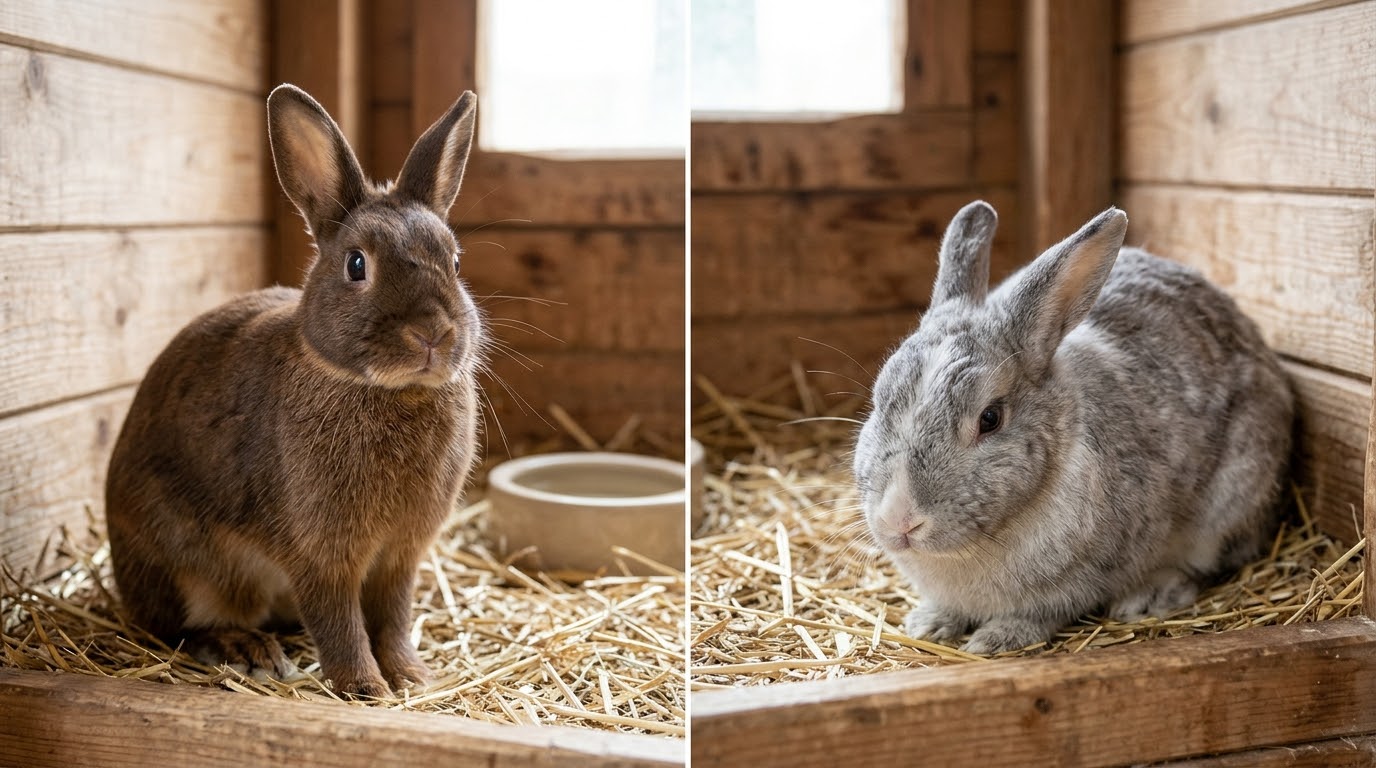
Why Disease Control Matters on a Rabbit Farm
Disease is one of the biggest limits on small rabbit farms in Africa. A 2025 study of rabbit farms in southern Benin found that gastroenteritis, scabies and viral hemorrhagic disease were among the most common diseases hurting farm productivity. Research in Kenya also ranks mange as the second most important rabbit disease, after digestive diseases such as coccidiosis and mucoid enteropathy.
Your climate matters too. Heat, damp and poor airflow stress rabbits and make infections easier. An FAO account of a tropical rabbit farm in Mozambique credited better feeding, less heat and humidity stress, and control of intestinal coccidiosis for much of its improvement.
Common Rabbit Diseases and How to Recognise Them
Use this section as a quick reference. Signs below are typical, not a diagnosis. When in doubt, ask a veterinarian or animal health officer.
1. Coccidiosis
Coccidiosis is caused by tiny parasites that live in the gut (intestinal form) or liver (hepatic form). Young rabbits around weaning are most at risk.
- Signs: diarrhoea, bloated belly, weight loss, rough coat, poor growth, sudden deaths in young rabbits.
- Spread: through droppings, dirty feed and water, and wet hutch floors.
- Prevention: keep floors dry and clean, raise feeders and drinkers so they cannot be fouled, and avoid overcrowding.
- Treatment: a veterinarian can advise on suitable medication and correct use.
2. Mange and Ear Mites
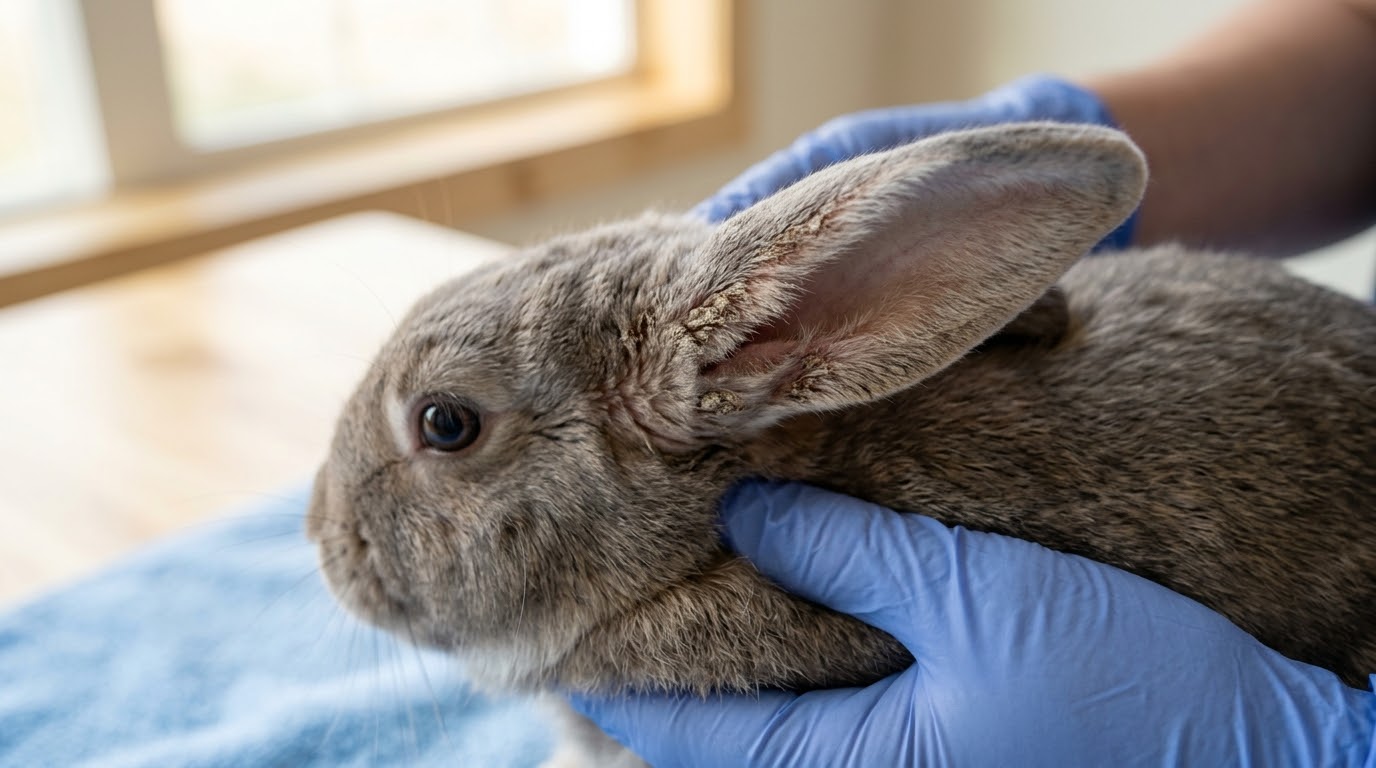
Mange is caused by mites that burrow in or live on the skin. Ear mites cause crusty ears.
- Signs: scratching, hair loss, scabs on the nose, ears, feet or around the eyes, shaking the head.
- Spread: by direct contact, shared equipment and new animals.
- Prevention: inspect every rabbit weekly, quarantine new arrivals, and clean and dry hutches thoroughly.
- Treatment: use products recommended by a veterinarian, and treat all in-contact rabbits and the housing.
3. Pasteurellosis (Snuffles)
This bacterial disease is caused by Pasteurella multocida. It mainly affects the nose and lungs but can also cause abscesses and ear infections.
- Signs: sneezing, thick white or yellow nasal discharge, wet or matted front paws from wiping the nose, laboured breathing, head tilt.
- Prevention: good ventilation without cold draughts, low ammonia from urine, no overcrowding, and removing sick animals early.
- Treatment: needs a veterinarian. Do not medicate on your own, because some antibiotics are dangerous for rabbits.
4. Digestive Problems (Enterotoxemia and Mucoid Enteropathy)
Rabbits have delicate digestion. Sudden feed changes, too little fibre, or dirty feed can upset the gut.
- Signs: watery or jelly-like droppings, a bloated belly, refusing feed, sudden death.
- Prevention: provide fibre (good hay or dry forage), change feeds gradually over several days, and keep feed fresh and dry.
- Treatment: get urgent veterinary advice. Young rabbits can decline within a day or two.
5. Myxomatosis
Myxomatosis is a virus disease that is fatal in domestic rabbits. It is nicknamed “big head” because of swelling around the head, and it causes fever and listlessness. It is spread by direct contact and by biting insects such as fleas and mosquitoes. A vaccine exists in some countries, but availability varies, so ask a local veterinarian.
- Signs: swollen eyelids, face and ears, discharge from the eyes, lumps on the skin, loss of appetite.
- Prevention: control biting insects, use fine mesh on hutch openings, and isolate suspected cases at once.
6. Rabbit Hemorrhagic Disease (RHD)
RHD is caused by a calicivirus and has been reported in almost every country that raises rabbits. The incubation period is short, about three to five days. Because it is viral, there is no effective cure once a rabbit is infected, so prevention is everything.
- Signs: sudden death is common, sometimes with fever, loss of appetite or bleeding from the nose.
- Prevention: strict biosecurity (see below) and vaccination where a vaccine is available and recommended locally.
- Action: if several rabbits die suddenly, contact a veterinarian or animal health officer rather than guessing.
Quick Comparison Table
| Disease | Main cause | Key warning sign | Best control |
|---|---|---|---|
| Coccidiosis | Gut or liver parasite | Diarrhoea, poor growth | Dry, clean hutches; raised feeders |
| Mange / ear mites | Mites | Scratching, scabs, crusty ears | Weekly checks; quarantine |
| Snuffles | Bacteria | Sneezing, nasal discharge | Ventilation; low ammonia |
| Digestive upset | Diet, bacteria | Watery droppings, bloating | Fibre; gradual feed changes |
| Myxomatosis | Virus | Swollen head and eyes | Insect control; isolation |
| RHD | Virus | Sudden deaths | Biosecurity; vaccine if available |
Step-by-Step Disease Prevention Routine
These steps are widely recommended good practice. Adjust them to your farm size and ask local experts about vaccines and medicines.
- Quarantine new rabbits. Keep them apart from your herd for at least two to four weeks and watch them daily.
- Check every rabbit daily. Look at appetite, droppings, eyes, nose, ears and breathing.
- Clean hutches regularly. Remove droppings, keep floors dry, and clean feeders and drinkers.
- Feed correctly. Give fresh water, quality feed and enough fibre. Never feed mouldy or wet forage.
- Control pests. Use mesh to keep out mosquitoes and flies, and keep rodents and wild animals away.
- Limit visitors and tools. Wash hands, change footwear, and do not share equipment between farms without cleaning it.
- Keep records. Note illnesses, deaths, treatments and dates. Patterns show up quickly on paper.
What to Do When a Rabbit Gets Sick
- Move the rabbit to an isolation hutch straight away.
- Handle the sick rabbit last, after healthy ones, and wash your hands.
- Note the signs, when they began and how many rabbits are affected.
- Call a veterinarian or animal health officer. Describe the signs and the number of cases.
- Clean and disinfect the hutch and equipment with a product suitable for animal housing.
- Dispose of dead animals safely, by deep burial or as advised locally, and do not feed them to other animals.
Treatment costs, medicine availability and vaccine access differ across Cameroon and other countries, so ask local suppliers and professionals for current options and prices.
Common Mistakes to Avoid
- Overcrowding. Crowded hutches raise stress, ammonia and disease spread.
- Waiting too long. A rabbit that stops eating needs attention the same day.
- Self-medicating. Wrong drugs or doses can kill rabbits. Get professional advice.
- Sudden feed changes. These often trigger digestive disease.
- Skipping quarantine. One infected new rabbit can endanger the whole farm.
- Poor records. Without notes, you cannot see what is going wrong.
Practical Tips for Beginners
- Start small so you can inspect each rabbit properly.
- Buy healthy stock from a reliable breeder, and ask about disease history.
- Build raised hutches with good airflow, shade from direct sun, and protection from rain.
- Find a veterinarian or animal health officer before you have an emergency.
- Cull or remove chronically sick animals, which also protects animal welfare.
Frequently Asked Questions
What is the most common disease in rabbits?
It varies by location. In African studies, digestive diseases such as coccidiosis, mange and viral hemorrhagic disease are frequently reported as major problems on small farms.
How can I tell if my rabbit is sick?
Watch for reduced appetite, dull or hunched posture, abnormal droppings, discharge from the eyes or nose, scratching, weight loss, or hiding. Any sudden change in behaviour deserves attention.
Can common rabbit diseases be cured?
Bacterial and parasitic diseases such as snuffles, coccidiosis and mange can often be treated under veterinary guidance. Viral diseases like myxomatosis and RHD have no effective treatment once infected, so prevention is critical.
Do rabbits need vaccines?
Some vaccines exist for myxomatosis and RHD, but availability differs by country. Ask a local veterinarian whether vaccination is possible and advisable for your area.
Conclusion
Healthy rabbits start with simple habits: clean dry housing, steady feeding, daily checks, quarantine and quick action. Knowing the common rabbit diseases helps you act before a small problem becomes a farm-wide loss. Pick one habit from this guide, such as a daily health check, and start it today. When something looks wrong, speak to a veterinarian early.


